





Pediatrics

We Treat Your Family as Our Own
East Ridge Dental focuses on pediatric dentistry in Sioux Falls, ensuring a child’s oral health is paramount for several reasons including early intervention, prevention of dental problems, monitoring dental development, education and guidance and preventing long-term issues.
By prioritizing a child’s oral health, dental providers contribute not only to their immediate well-being but also to their long-term oral health outcomes. Regular dental visits starting at an early age create a positive dental experience, encouraging a lifetime of good oral health habits.

Pediatric (Kid) Cleanings
Pediatric cleanings, also known as children’s dental cleanings, are professional dental procedures tailored specifically for kids to maintain their oral health. These cleanings are an essential part of preventive dental care. At East Ridge Dental, we have a strong passion and desire to make sure all children have a positive and fun dental experience. Here is what typically happens during your kids’ cleanings:
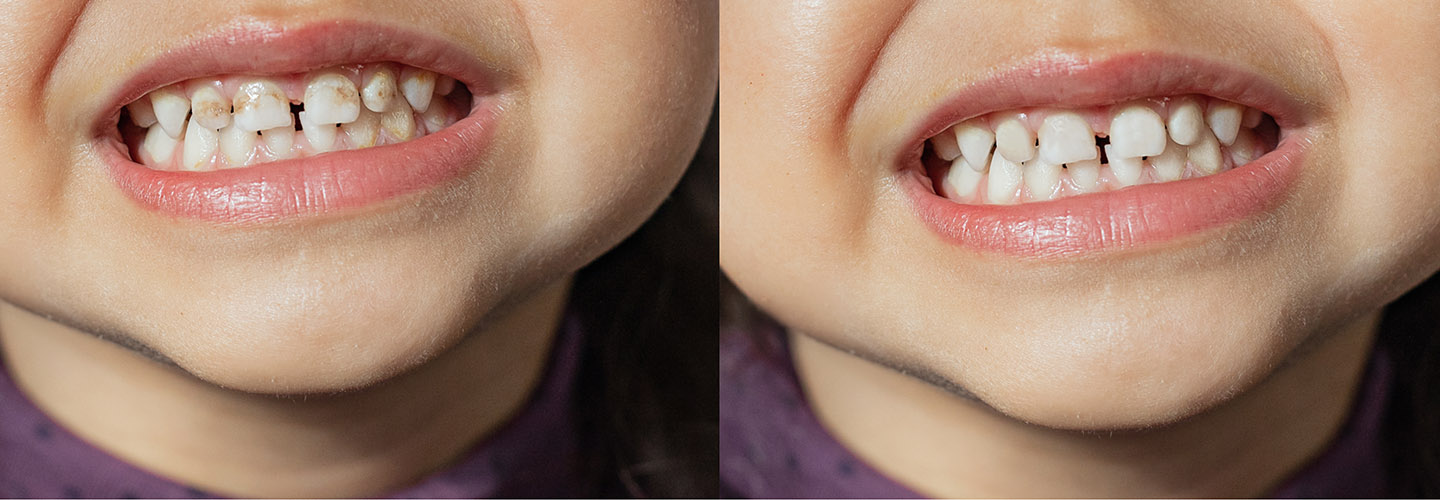

Oral Examination
The dentist and dental hygienist will examine your child’s mouth, teeth, and gums to assess their oral health. They’ll check for cavities, signs of gum disease, or any other issues.
Plaque and Tartar Removal
Using specialized dental tools, the hygienist will remove plaque and tartar buildup from the teeth. This process, called scaling, helps prevent cavities and gum disease.
Teeth Polishing
After scaling, the teeth are polished using a gritty toothpaste and a rotating brush. This step helps remove surface stains and gives the teeth a smooth feel.
Fluoride Treatment
In some cases, a fluoride varnish or gel might be applied to the teeth to strengthen the tooth enamel and protect against cavities.
Education and Guidance
The dental team will provide guidance on proper brushing and flossing techniques tailored to your child’s age. They might also discuss the importance of a healthy diet in maintaining good oral hygiene.
Pediatric cleanings are typically recommended every six months, but frequency might vary based on your child’s needs. Regular cleanings and check-ups help in early detection of dental issues and allow for timely intervention, reducing the risk of more severe problems in the future.
These appointments are also an opportunity for children to become familiar with the dental environment, helping to reduce anxiety and build positive dental experiences, which is crucial for encouraging good oral hygiene habits throughout their lives.
Frequently Asked Questions
When should my child’s first dental visit be?
At East Ridge Dental, we recommend bringing your child in for their first visit as soon as their first tooth erupts.
Sealants
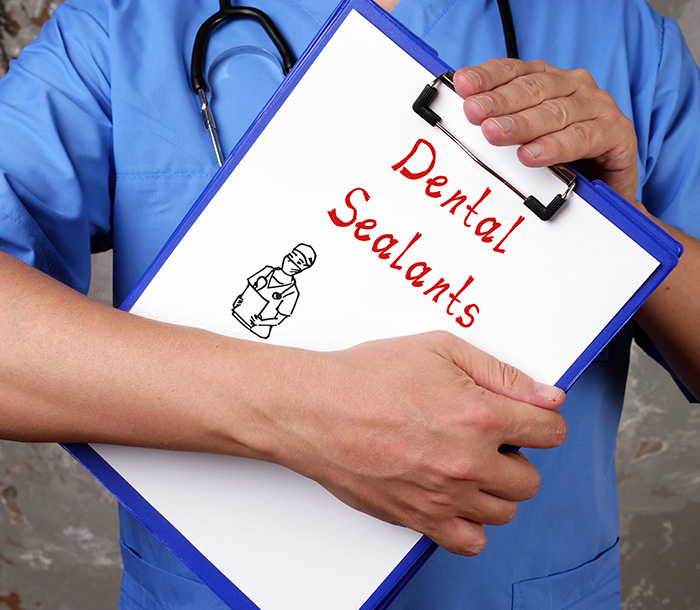
When it comes to your oral health, preventative measures often stand as strong barriers against dental issues. Among these measures, dental sealants emerge as a commendable solution, safeguarding teeth against decay and plaque.
Dental sealants are thin coatings applied onto the chewing surfaces, in the pits and grooves of the molars and premolars – the back teeth. Serving as an effective barrier, these sealants shield teeth from decay and plaque by filling in the crevices where bacteria tend to accumulate and wreak havoc.
Benefits of Dental Sealants
The benefits of dental sealants extend far beyond their protective nature:
Defense Against Tooth Decay and Plaque
Dental sealants defend teeth against tooth decay and plaque buildup, significantly reducing the chances of cavities. According to a study conducted for the Centers for Disease Control and Prevention, sealants can prevent up to 80 percent of cavities over two years.
Durable Guardians
With proper care, dental sealants can remain steadfast for several years, providing long-lasting protection.
Painless and Safe
The process of applying dental sealants is a safe and painless one, causing minimal discomfort, if any.
Cost-Effective
When compared to the expenses associated with extensive restorative treatments, dental sealants are a highly cost-effective preventive measure, potentially saving patients from more invasive procedures down the line.
Frequently Asked Questions
Are dental sealants covered by insurance?
Many dental insurance plans extend coverage for dental sealants among children and teenagers. It’s important to contact your insurance provider to ascertain the extent of coverage.
How long do dental sealants last?
With appropriate care, dental sealants can last for several years. Your dentist should keep a watchful eye on the condition of your sealants during routine check-ups, proposing replacements as deemed necessary.
Frenectomies (tongue and lip tie releases)
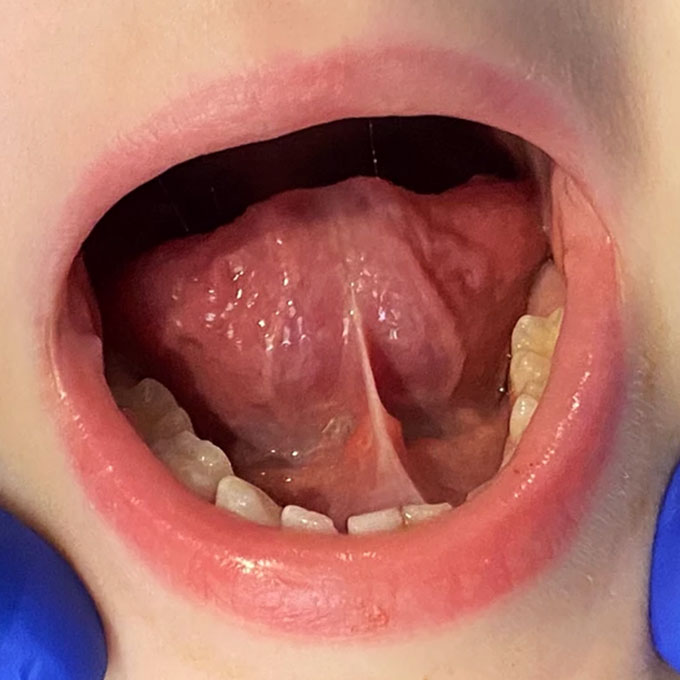
A frenectomy is a minor surgical procedure performed to remove or adjust a frenulum, a small fold of tissue in the mouth that can cause various issues if it’s too tight, too short, or otherwise restrictive. At East Ridge Dental, frenectomies are performed by a dentist using our CO2 Laser.
There are two types of frenula in the mouth:
Labial Frenulum (Lip Tie)
This is the band of tissue that connects the inside of the upper lip to the gum tissue above the front teeth. If this frenulum is too tight or extends too far down between the front teeth, it can cause a gap between the upper front teeth or restrict movement.
Lingual Frenulum (Tongue Tie)
Also known as the lingual frenum or tongue-tie, this band of tissue connects the underside of the tongue to the floor of the mouth. When this frenulum is too short or tight, it can restrict the movement of the tongue, affecting speech, eating, and oral hygiene.
Frequently Asked Questions
What are the benefits of a Frenectomy?
Benefits may include improved feeding (for infants), better speech, easier nasal breathing, improved sleep, and better tongue mobility for long-term oral health.
What is recovery like?
Healing is generally quick. You may have mild soreness for a few days, and we’ll provide simple exercises to support healing and prevent reattachment.
Why is Myofunctional Therapy recommended with a frenectomy?
Therapy prepares the muscles before the procedure and retrains them after, helping ensure proper healing, improved function, and long-term success.
Children’s Airway Dentistry
Signs and Symptoms of a Restricted Airway
Treatment Options we Offer at East Ridge Dental
Palatal expansion and orthodontics
A narrow, or V-shaped, arch and high palate are signs of a restricted airway and can lead to issues with tooth crowding, sinus problems, and sleep disorders. With early intervention, a narrow palate can be corrected in childhood which allows the tongue, jaws, and nasal cavity to mature to their full potential as your child grows. See our “orthodontics” page for more information about what we offer.
Lip and tongue tie releases
A “tied” tongue can prevent proper growth of the bones of the oral cavity. It can also affect a child’s ability to speak, breath, swallow, and function normally.

Myofunctional therapy
Myofunctional therapy strengthens the muscles of the tongue, lips, and face to support eating, breathing, swallowing, and development. It can aid in oral habit elimination and works in conjunction with other interventions to improve treatment outcomes. We are so happy to be able to provide myofunctional therapy in-office! See our “myofunctional therapy” page for more information on the many applications and benefits of myofunctional therapy.
Frequently Asked Questions
Is this just for kids, or can adults benefit too?
Both! While early treatment is ideal, many adults see meaningful improvements in breathing, sleep, and overall function.
My child snores—should I be concerned?
Snoring in children is not considered normal and can be a sign of airway restriction. A simple evaluation can help determine if further care is needed.
Featured Reviews
We’re proud of the relationships we’ve cultivated with our patients - and even prouder when they are willing to tell others about us!